
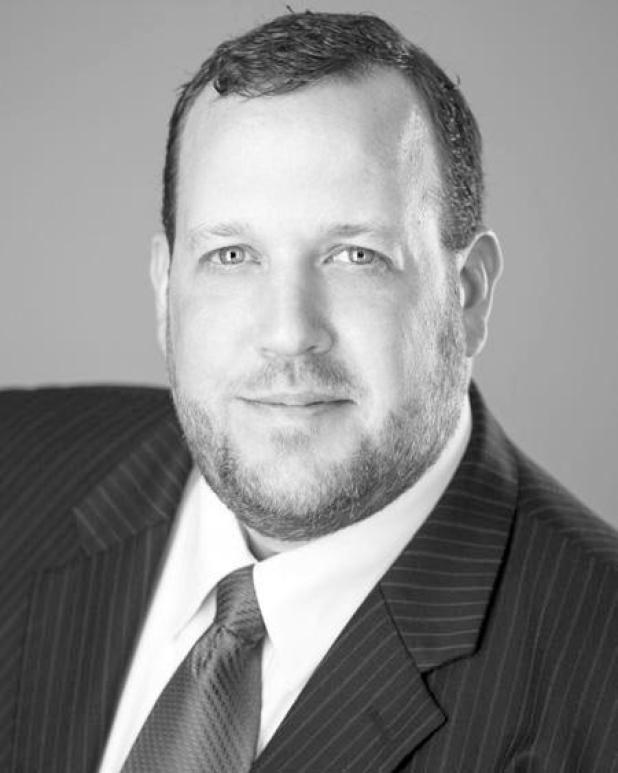
Jeremy Alford & David Jacobs: Louisiana's U.S. Senate campaign reflects national political climate
By JEREMY ALFORD & DAVID JACOBS
National midterm elections are generally hazardous to the party that’s in power, and President Donald Trump is particularly unpopular right now, so it’s not surprising that Democrats are the betting favorites to take back the House of Representatives.
They might even win the Senate, though that’s probably less likely. Based on where this year’s 35 U.S. Senate elections are happening, the map favors Republicans.
But many Republican leaders remain bullish on their chances, at least publicly. This wouldn’t be the first time that polls failed to predict the outcome of an election, they note, while arguing that many of the Democrats running are far too liberal for the average voter.
Most of the attention understandably is focused on what are generally considered the swing states. But Jamie Davis, the Democrat running against Congresswoman Julia Letlow to replace U.S. Sen. Bill Cassidy, argues GOP strongholds like Louisiana also are worth watching.
Like his Democratic counterparts across the country, Davis is spending a lot of time talking about the cost of living.
“This is not a Democratic issue, man,” he said. “People are having a hard time [paying for necessities] across the board. It’s not just Democrats struggling. People are struggling.”
Davis is the clear underdog against Letlow, though Louisiana politicos will be watching his race to gauge how much enthusiasm Democrats can generate and possibly carry over into next year’s state elections. He insists he’s going to win, but suggests a competitive race would send a message.
“Even if it ends up with a 55-45 [margin], you will see so many people enthused and energized to run in ‘27,” he said. “Every race will be contested.”
Davis’ campaign shared a summary of a Sept. 17-19 survey of 500 “likely Louisiana voters” who “are representative of the November 2026 electorate by key demographic, geographic, and partisan factors.” This is an internal poll by Hart Research, a Democratic firm, and the campaign did not release the underlying breakdown of respondents, so take it with however many grains of salt you deem appropriate.
That said, the “initial trial heat” had Davis trailing Letlow 48%-44%, within the margin of error, while Letlow’s name recognition was double that of Davis. Davis takes a 53%-44% lead after respondents get a “positive” biography of both candidates: Letlow is described as the first Republican congresswoman Louisiana has elected, after having a “distinguished career” in higher education, and boasting Trump’s endorsement, while Davis is a “third-generation row-crop farmer” who is active in his community.
“The Louisiana Senate race starts in a competitive position, due in large measure to the same dynamics present in the rest of the nation--disenchantment with President Trump,” the memo states.
Speaker Mike Johnson and Majority Leader Steve Scalise say Republicans can defy history and hold the House. Scalise has said he can see a path to expanding their slim House majority to 225 seats.
“If we make it a contrast election, we win,” Scalise told Axios. “We could get to 225. It would be a good night for us if we did, but it’s possible.”
But U.S. Sen. John Kennedy, who is not on the ballot this year but is helping to raise money for other Republicans, has been campaigning in traditionally Republican states, which says a lot about the tough environment for his party, he suggested.
“I’m going to Kansas, Nebraska, and Iowa to help raise money and campaign for our very good candidates,” he said. “If you told me six months ago I was gonna be having to spend my time in those three states, I wouldn’t have believed you. Those ought to be fat guy layups for us. Now, we’re going to win there, but the races are close.”
Derek Babcock, who chairs the Republican Party of Louisiana, agreed with Scalise that the contrast between the parties favors the GOP.
“The Democrats are just so far left, their agenda is so radical, and the Republicans are for common-sense values that are part of what made our country great,” Babcock said.
He also argued that Trump’s war with Iran, which has caused fuel prices to rise, is less of a drag on Republicans than most polls and pundits suggest. Paying more at the pump is worth it if the president keeps Iran’s regime from developing nuclear weapons, he added.
“I think we’re going to keep Congress,” Babcock said. “I don’t know that we’re going to have this huge majority. I know we’ve had a razor-thin majority thus far, but I think we’ll keep control on the House and Senate side.”
Democratic consultant Trey Ourso, noting that midterm elections traditionally are a referendum on the current administration, said he’s seen polls where Trump’s handling of the war is in the upper 20s, and not much higher on the economy.
“Unless there’s a major shift in the next few weeks, I would expect November 3rd to be a good day on the Democratic side all across the country,” Ourso said.
He said he wasn’t particularly concerned that the polling was missing a chunk of the Republican vote, since the polls have consistently been moving in one direction and showing growing dissatisfaction with the president even among Republicans.
He said he could see Democrats ending up with 230 or 235 seats in the House, while potentially getting up to 51 or 52 in the Senate.
“I think 2026 is less about the mood and more about the map,” Republican consultant Jason Hebert said. “Nobody’s pretending the headwinds aren’t real, but House and Senate majorities in a midterm are won district by district and state by state.”
Republicans gave themself a head start in the House by redistricting, and the Senate map remains favorable. The election will come down to turnout, closing the enthusiasm gap, and who can put forward a clear plan to address the cost of living, Hebert said.
For more Louisiana political news, visit www. LaPolitics.com or follow Alford on X @ LaPoliticsNow.