
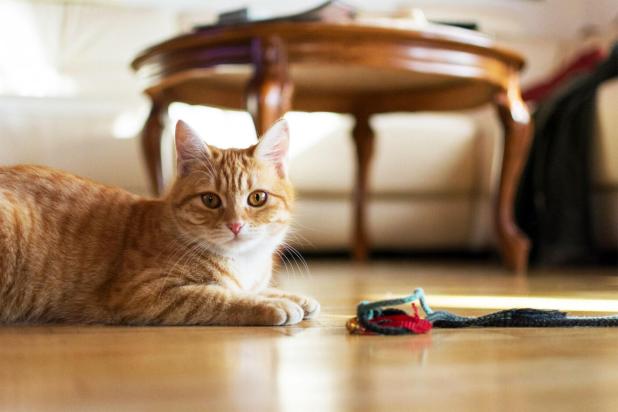
Texas A&M photo
Cats, like humans, can fall victim to diabetes mellitus. The symptoms may include increased thirst, increased urination frequency and unexplained weight loss.
Pet Talk: Diabetes is a health risk for cats, too
When a cat starts emptying their water bowl faster than usual or making more frequent trips to the litter box, owners may chalk it up to aging. But subtle changes in thirst, appetite and weight can be early warning signs of feline diabetes.
While diabetes mellitus (DM) — a condition where the body does not handle blood sugar correctly — was once thought of primarily as a human health concern, it is becoming increasingly common in cats, who, like humans, may require lifelong medical care to manage their condition.
As such, it is important to diagnose DM early so that it does not progress into diabetic ketoacidosis (DKA) or other health complications, according to Dr. Andrew Bugbee, a clinical associate professor at the Texas A&M University College of Veterinary Medicine and Biomedical Sciences.
Because prevention, early recognition and timely diagnosis are critical for cats’ long-term health, Bugbee explains how feline diabetes can be identified and managed.
Recognizing
feline diabetes
Similar to Type 2 diabetes in humans, feline DM occurs when a cat either does not produce enough insulin or its body does not respond properly to the insulin it does produce. As a result, blood sugar remains too high instead of being used by the body’ s cells for energy.
“Excess body weight or obesity is the highest risk factor for development of DM,” Bugbee said. “Overweight cats have four times the risk to develop DM than a healthy- weight cat.”
Even with this elevated risk, the earliest signs of feline diabetes are often easy for owners to miss, with the most common signs including:
•Unexplained weight loss
•A dry or lusterless hair coat
•Increased appetite
•Increased thirst
•Increased urination frequency
“Owners often overlook slow, mild changes in drinking and urination,” Bugbee said. “They usually do not recognize a problem until they notice accidents outside the litter box or water bowls and litter boxes needing frequent refills or cleanings.”
Recurring infections — including skin, ear, or urinary tract infections — may also suggest a condition like DM is present.
“Some cats develop a neurologic condition called diabetic neuropathy in their back legs,” Bugbee said. “They appear to walk abnormally, with their weight on their ankles — known as dropped hocks — as opposed to just on the paw pads. This posture may not be obvious to pet owners at home; however, owners may notice that their cat is no longer able to jump onto things and/or may have difficulty using stairs.”
Signs of DM may develop slowly and, as a result, may not be obvious to pet owners; however, cats who are in the early stages of developing diabetes may be detected during routine health visits or annual exams, emphasizing the importance of regular veterinary evaluations.
How diabetes
is diagnosed
If a veterinarian suspects DM based on clinical signs and physical exam findings, a diagnosis is confirmed through bloodwork and urine testing.
“After a cat is diagnosed with diabetes, it is important to screen for any other health conditions that may cause insulin resistance and interfere with a cat’s response to treatment,” Bugbee said.
Factors such as genetics, medications, or preexisting diseases can disrupt insulin regulation.
Because high blood sugar (hyperglycemia) and loss of glucose in the urine can occur in stressed, healthy cats (where DM is not present), confirmatory testing — such as serum fructosamine or HbA1c concentration — are conducted by the veterinarian to diagnose DM, Bugbee said.
These simple blood tests are used to prove the cat has persistent high blood sugar levels, even when in a non-stressed environment, like its their home.
“Once a veterinarian confirms a DM diagnosis, treatment is started and, often, there is discussion on ways to reverse any other specific factors that could negatively impact the cat’s ability to respond effectively to therapy,” Bugbee said.
Treating
feline diabetes
Several medication options are available to lower blood glucose in cats diagnosed with DM.
Insulin remains the most common treatment for feline diabetes and is typically given once or twice a day, based on a veterinarian’s recommendation.
“A new drug class of oral sodium-glucose cotransporter 2 (SGLT2) inhibitors — Bexacat (oral tablet) and Senvelgo (oral solution) — was approved as an alternative to insulin injections for DM management,” Bugbee said.
According to Bugbee, these drugs work by preventing the kidneys from reabsorbing glucose back into the body, allowing excess glucose to be excreted in the urine. Cats that may be candidates for these medications are:
•Newly diagnosed with DM
•Have not been treated with insulin for a prolonged time
•Otherwise healthy, without evidence of significant organ dysfunction
Little to no
blood ketones
“Monitoring a cat’s response to treatment and blood glucose levels helps determine the appropriate dose and keep the diabetes under control over time,” Bugbee said. “Not all cats respond well to therapy and many require periodic changes to their drug dose and/or need to transition to another treatment if not responding well.”
Veterinarians often rely both on the pet owner’s interpretation of how well- or poorly controlled their pet’s diabetic clinical signs are at home and on other tools (such as changes in body weight, blood glucose curves, serum fructosamine and/or blood ketone concentrations) to guide treatment changes and maintain appropriate control of the cat’s DM.
Advice for owners
Regular veterinary appointments are critical for ensuring cats remain healthy and to minimize risk of complications, such as low blood sugar or a progression into diabetic ketoacidosis (DKA), a serious complication that often requires hospitalization and intensive care to resolve.
“The longer DM is present without treatment, the higher the risk for severe complications to develop,” Bugbee said. “Cats that have just been diagnosed with DM, achieve an ideal body weight and have their blood glucose rapidly controlled with treatment have the highest chance of entering what is called diabetic remission. Remission means a cat regains the ability to make enough insulin on its own that it can come off of treatments, like insulin or SGLT2 inhibitors.”
Remission usually occurs in newly diagnosed diabetic cats within one to 10 months of diagnosis.
“Reported rates of remission in the United States are around 30%, so around 1 in 3 newly diabetic cats may be able to come off of their DM medication,” Bugbee said.
Cats who develop diabetes can live comfortably with their condition for the rest of their lives, and for some, remission is possible.
But prevention is key — dietary therapy, addressing obesity, calorie restriction, and exercise are the best proactive ways to ensure your cat lives a happy, healthy life, free of the risk of DM.
Learn more about the new diabetes mellitus treatments and management recommendations from, the American Animal Hospital Association’s recently released 2026 AAHA Feline Diabetes Management Guidelines for Cats, written by Dr. Bugbee and his VMBS colleague Dr. Audrey Cook.
Pet Talk is a service of the College of Veterinary Medicine & Biomedical Sciences, Texas A&M University. Stories can be viewed on the web at vetmed.tamu.edu/news/pet-talk. Suggestions for future topics may be directed to vmbs-editor@tamu.edu.